Your dining table feels flat. Lifeless. Like it’s just waiting for something—anything—to give it warmth and character. You’ve tried placemats. Centerpieces. Even a fresh coat of paint on the chairs. Nothing sticks. The fix isn’t another decor overhaul. It’s a farmhouse style table runner—the unsung hero of rustic charm that ties your whole space together without screaming for attention.
Why Most Table Runners Fail to Deliver That Authentic Farmhouse Vibe
Most shoppers grab the first linen strip they see labeled “rustic” or “farmhouse” and call it a day. Big mistake. True farmhouse aesthetic isn’t about slapping burlap on a table and calling it heritage. It’s texture, proportion, and intentionality. Too wide? It drowns your table. Too shiny? Kills the matte, time-worn feel. And synthetic blends? They look cheap under natural light—especially at brunch.
And here’s the kicker: many mass-market “farmhouse” runners are actually coastal or industrial imposters with a gingham sticker slapped on. The math is simple—authenticity requires natural fibers, lived-in finishes, and scale that respects your table’s proportions.
How to Select & Style a Farmhouse Style Table Runner That Actually Works
Measure Twice, Buy Once: Getting Proportions Right
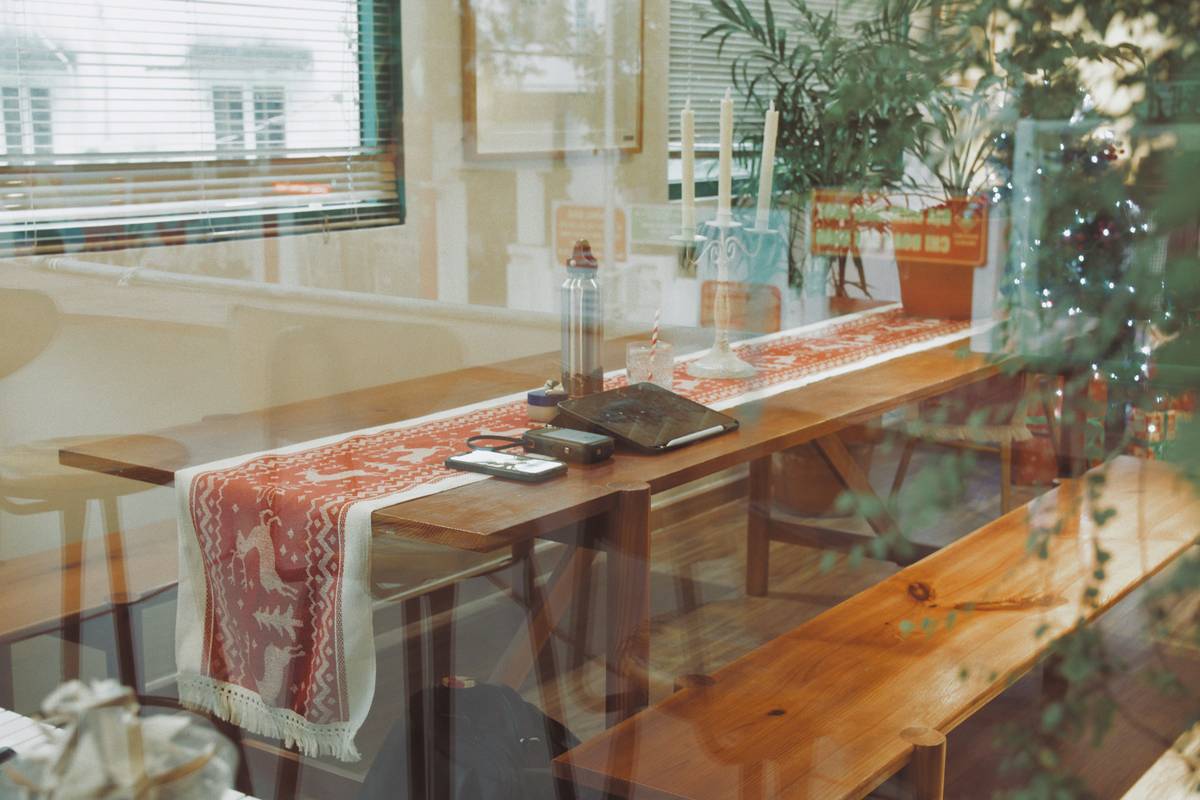
A table runner shouldn’t hang like drapes. Ideal overhang is 6–12 inches on each end. For a standard 72-inch dining table, aim for a 60–84 inch runner. Width? Keep it between 13–18 inches—narrow enough to leave room for place settings, wide enough to anchor the look.
Fabric Matters More Than Pattern
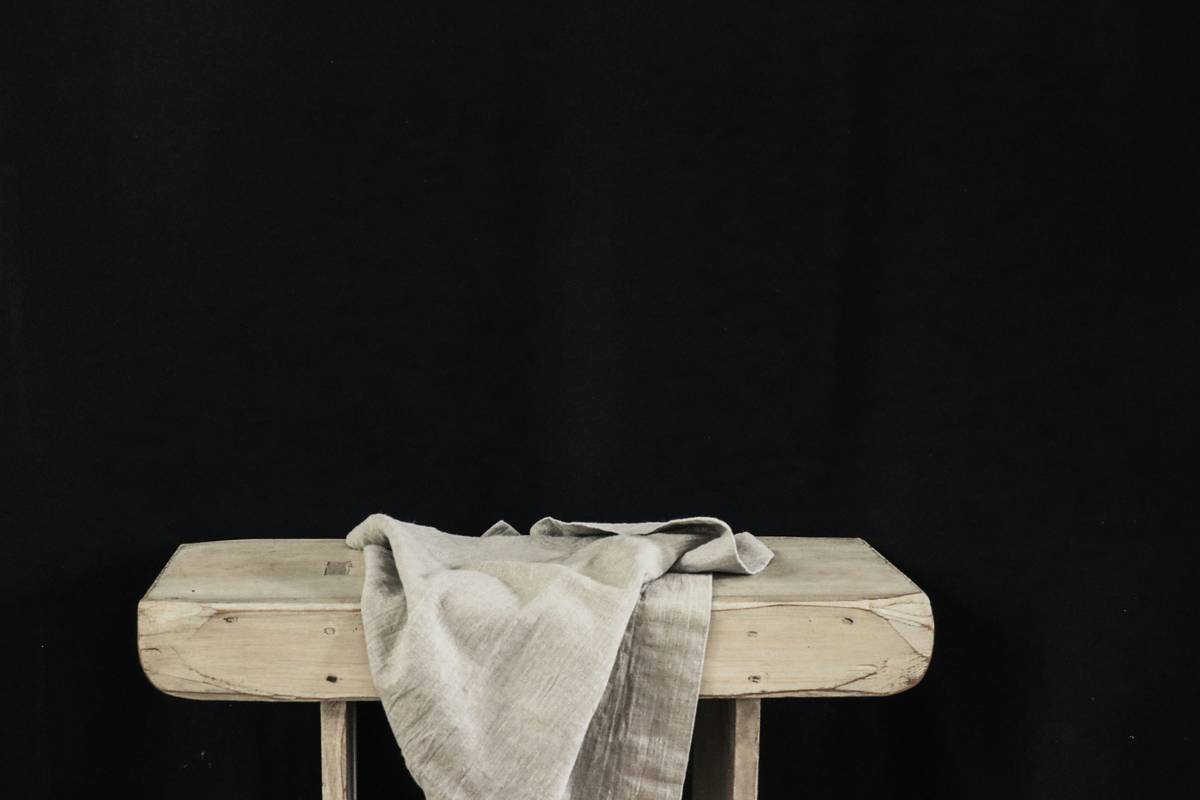
Cotton, linen, or a cotton-linen blend. Period. These breathe, wrinkle beautifully, and age with grace. Avoid polyester—even if it’s “wrinkle-resistant.” That’s code for “plastic sheeting disguised as decor.” A true farmhouse runner gains character with every wash. Stiffness fades. Softness deepens. That’s the goal.
Color & Pattern: Less Is More (But Not Boring)
Stick to earth tones: oatmeal, slate gray, sage, or faded terracotta. Subtle stripes or checks? Yes—if they’re tonal, not contrasting. Bold red gingham might work for Fourth of July, but it won’t carry you through fall harvest dinners or Sunday suppers in February. Think versatility over viral trends.
| Fabric Type | Durability | Seasonal Versatility | Price Range (per runner) |
|---|---|---|---|
| 100% Linen | High (softens over time) | All-year (breathable in summer, cozy in winter) | $28–$55 |
| Cotton-Linen Blend | Medium-High (less prone to fraying) | Best for spring/fall | $22–$40 |
| 100% Cotton (washed) | Medium (can pill with heavy use) | Great for casual daily use | $18–$35 |
| Synthetic Blend | Low (static, poor drape) | None—feels artificial year-round | $10–$20 |
The Industry Secret No One Talks About: Pre-Washing Is Non-Negotiable
Here’s the reality most retailers won’t tell you: if your new runner hasn’t been pre-washed, it will shrink—unevenly—after its first spin in the machine. And because farmhouse runners often mix fiber types or have hand-stitched hems, that shrinkage can warp the entire piece. Always check the care label. Better yet, buy from makers who explicitly state “garment-washed” or “pre-shrunk.” I once tested three identical-looking runners from different brands; only the pre-washed one retained its shape after six months of weekly use. The others puckered at the seams like sad accordion folds. Don’t learn this the hard way.
FAQ
Can I use a farmhouse style table runner on a round table?
Yes—but keep it narrow (12–14 inches wide) and centered front-to-back. Avoid full-length draping; it looks cluttered. A short runner (36–48 inches) works best.
How often should I wash my table runner?
After every 3–4 uses if used daily. For occasional use, spot-clean stains and launder monthly. Always air-dry to preserve texture and prevent shrinkage.
Are burlap runners truly farmhouse style?
Only if used sparingly—as seasonal accents, not daily staples. Real burlap sheds fibers, irritates skin, and lacks the soft drape essential to authentic farmhouse tables.