Your dining table looks tired. You bought a home goods table runner, laid it down with hope—and nothing changed. Worse, it slips, fades after one wash, or clashes with your plates. Now you’re stuck with another decor “solution” that adds clutter, not charm.
The Core Problem: Most Table Runners Are Designed to Sell, Not to Stay
Mass-market retailers treat table runners like disposable fashion. They prioritize low cost over longevity—thin fabric, weak dyes, zero grip. You end up re-buying every season. And if it’s polyester? Good luck pairing it with linen napkins without creating visual chaos.
Here’s the reality: a table runner isn’t just fabric on wood. It’s a functional anchor—a bridge between centerpieces, place settings, and mood. Treat it like an afterthought, and your whole tablescape feels off.
How to Choose & Style a Home Goods Table Runner That Actually Works
Material Matters More Than Pattern
Cotton and linen breathe. They soften with age, absorb spills quietly, and never scream “cheap.” Avoid anything labeled “wrinkle-free”—that usually means synthetic coatings that peel after three washes.
Sizing Isn’t One-Size-Fits-All
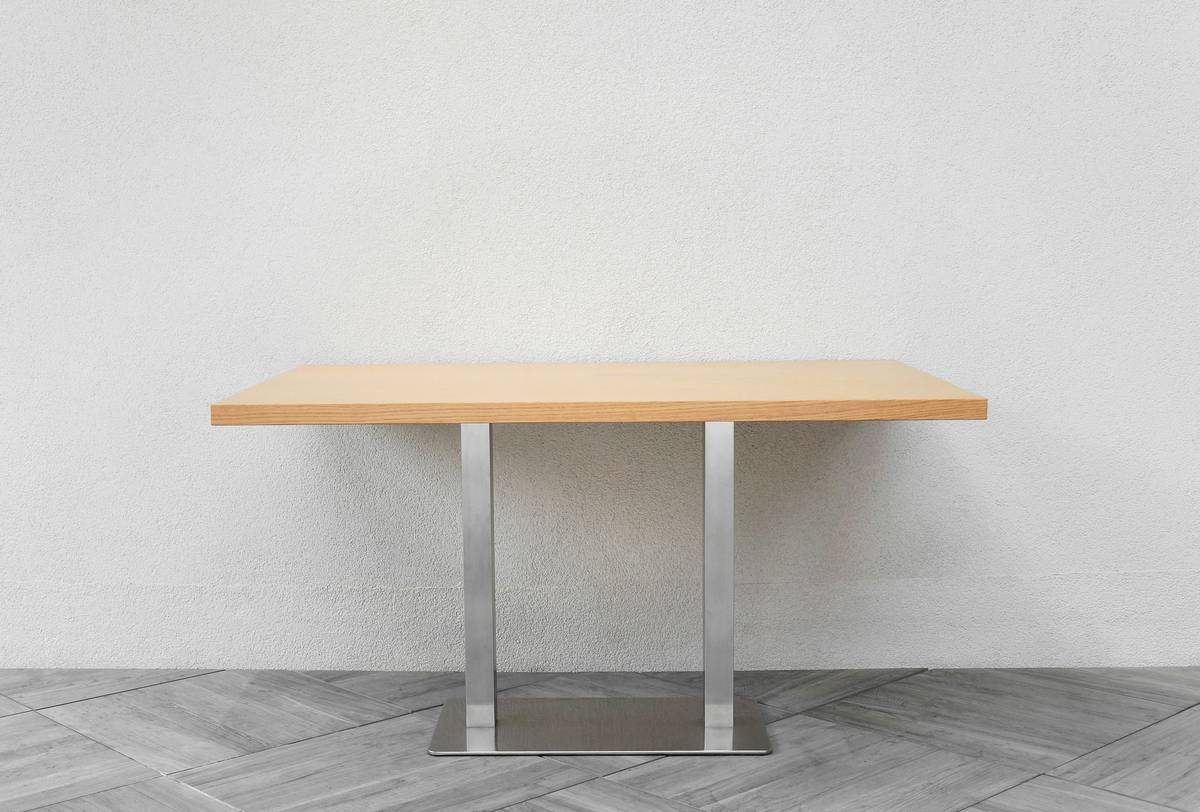
A runner should hang 6–12 inches beyond each end of the table. Too short? Looks tentative. Too long? Tripping hazard. Measure first—style second.
Color Strategy Beats Trend Chasing
Neutral base? Go bold in texture, not hue—think oatmeal with subtle slub weave. Already have patterned dishes? Pick a solid runner in a tonal shade pulled from your dinnerware. Harmony > contrast.
| Fabric Type | Durability | Wash Care | Best For |
|---|---|---|---|
| 100% Linen | High (improves with age) | Machine wash cool, air dry | Everyday elegance, farmhouse, minimalist |
| Cotton Sateen | Moderate | Machine wash warm, tumble low | Holidays, formal dinners |
| Polyester Blend | Low (pills quickly) | Machine wash, high heat safe | Rental properties, temporary use |
| Bamboo Viscose | Medium (delicate) | Hand wash or gentle cycle | Modern, eco-conscious styling |
The Industry Secret: Runners Should Disappear (Then Reveal Themselves)
The best table runners don’t shout—they whisper. A top interior stylist once told me: “If guests notice your runner before your conversation, you’ve failed.” The magic happens when texture catches light during a toast, or a subtle stripe aligns perfectly with your flatware. It’s about rhythm, not real estate.
And here’s what no big-box store will admit: many “premium” lines are just rebranded mill seconds—slightly off-dye lots sold at markup. Source directly from small weavers or heritage textile studios. You’ll pay 20% more but keep it for a decade.
FAQ
Can I use a table runner on a round table?
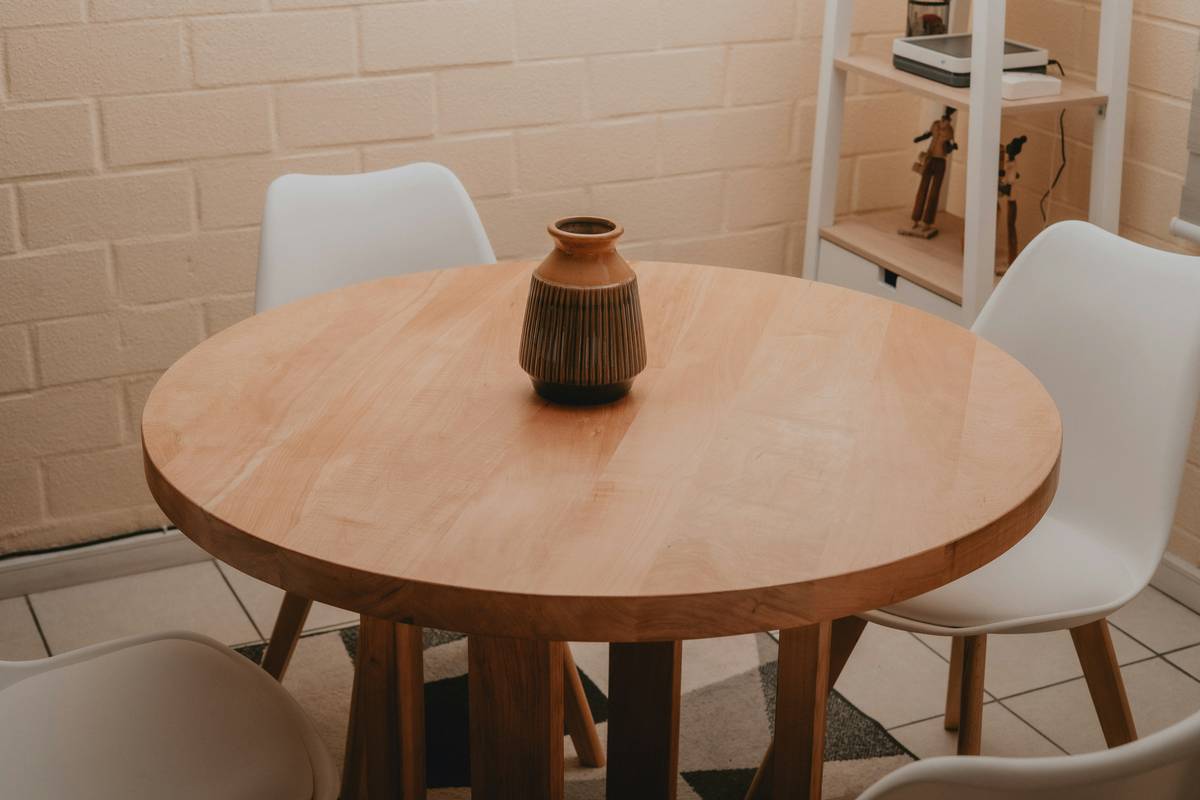
Yes—but opt for a square or circular mat instead. Traditional runners work best on rectangles. For rounds, think charger-scale textiles that frame the center, not run the perimeter.
How do I stop my home goods table runner from slipping?
Use double-sided rug tape under each end. Or layer it over a slightly larger cotton underlay—the friction keeps everything still without visible hardware.
Are table runners outdated?
Only if they’re dusty, frayed, or mismatched. A fresh runner in natural fiber instantly modernizes a dated table. The trick is intentional styling—not abandonment.